
Building a Visual Identity That Works
Learn the core elements — color, typography, imagery — and how they work together to create a cohesive brand.
Read ArticleValidate your brand design with real users before going live. Learn what to test, common pitfalls to avoid, and the questions that matter most.

You’ve spent weeks — maybe months — developing your brand. The logo feels right. The color palette works. The typography matches your vision. So you’re ready to launch, right?
Not quite. There’s a gap between what looks good in your design file and what actually resonates with real people. That gap is where most brands stumble. We’ve seen beautiful identities that confused customers, smart color choices that tested poorly, and logos that looked great on screen but fell flat on business cards. Testing before launch isn’t extra — it’s essential.
The good news? You don’t need expensive research firms or massive focus groups. You need structured feedback from the right people, asking the right questions.


Start with the basics. Your logo needs to work at multiple sizes — from a website favicon (16 pixels) to a billboard (20 feet). If it falls apart at small sizes, you’ll know immediately. We’ve caught logos that looked polished at 500 pixels but turned into visual soup at actual favicon size.
Color testing is different. You’re not asking “do you like these colors?” — that’s subjective and gets you nowhere. Instead, ask about clarity. Can users distinguish your primary color from your secondary? Does the color combination feel right for your industry? Does it print the same way it appears on screen?
Typography testing matters more than people think. Show your typeface choices in context — not isolated, but in actual layouts with real copy. A font that looks elegant on a mood board can feel wrong in a paragraph of body text or a navigation menu. Test both desktop and mobile rendering. Font rendering changes between devices and browsers, and you need to see those variations before launch.
The biggest mistake? Asking friends and family. They’ll say it’s great because they don’t want to hurt your feelings. That’s not feedback — that’s support, and it won’t help you catch real problems.
Instead, test with actual users from your target market. If you’re a B2B service, test with business owners and decision-makers. If you’re building a consumer brand, test with people who’d actually use it. You need 5-8 people minimum, not hundreds. Quality of feedback matters far more than quantity.
Ask specific questions. Don’t say “What do you think?” That gets you nothing. Instead: “What’s the first thing you notice?” or “If you saw this logo on a storefront, what would you guess this company does?” or “Does this feel professional to you? Why or why not?” Specific questions get specific answers you can actually use.

We’ve watched brands repeat the same errors. Here’s what to watch out for.
Don’t test rough sketches or early concepts. Test finished work. When people see rough designs, they mentally add their own polish and give feedback on what they imagined, not what’s actually there. Show what they’d actually see at launch.
Your brand works in different formats — screens, print, signage. Don’t test them together. Show digital mockups on actual screens. Show print on actual paper stock. Different mediums reveal different problems.
A logo looks different next to a competitor’s logo. Your website design reads differently when users compare it to others in your industry. Test in context. Show how your brand appears alongside competitive alternatives.
Test your logo at actual sizes: favicon, business card, website hero, billboard mockup. What works at 500 pixels might collapse at 32 pixels. Same with typography — test at the actual sizes you’ll use.
Don’t ask “Do you like the modern feel?” You’re suggesting the answer. Ask neutral questions: “What feeling does this give you?” or “How would you describe this brand’s personality?” Let them find their own words.
Test early, test often. Test your initial concepts. Test refined versions. Test final lockups. Each round catches different issues. First-round feedback shapes direction. Final-round feedback catches last-minute problems before launch.
Use these when you’re testing. They’re open-ended enough to reveal honest reactions but focused enough to give you usable feedback.
“If you saw this logo on a store shelf, what would you guess this company does?” — This reveals whether your logo communicates your industry and purpose instantly.
“How would you describe this brand’s personality in three words?” — This tells you if your visual identity matches your intended tone. If you’re going for “approachable and modern” but people say “corporate and stuffy,” you’ve got work to do.
“Does this feel different from other brands in this space?” — You need to stand out. If your identity feels generic, people will forget it within hours.
“Would you trust this brand with [your specific service]?” — This is the gut-check question. Trust is everything. If people hesitate here, something in your visual identity isn’t working.
“Can you read this easily?” — Test on different screen sizes, in bright sunlight, on older devices. Accessibility isn’t optional. It’s foundational.
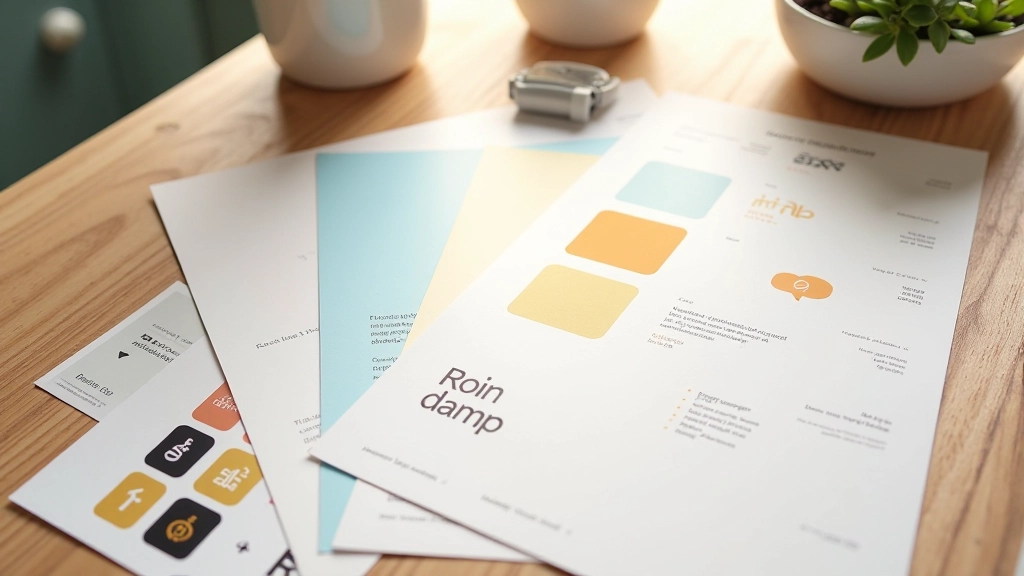
Before your brand goes live, work through this list. It’ll catch most issues before they become problems.
Your brand identity is ready to launch when you’ve tested it thoroughly and made informed decisions based on actual feedback. You don’t need perfection — you need clarity. People should understand what you do. They should feel your brand’s personality. They should trust you enough to engage.
Testing reveals problems early, when they’re cheap to fix. It also confirms when you’ve nailed something. Both are valuable. Most importantly, it removes the guessing game. You’re not wondering if your brand works — you know it does because real people told you so.
Take the time to test properly. Your launch will be stronger because of it.

This article provides educational information about brand identity testing. Every brand and business context is different. The guidance here represents common practices and general principles — your specific situation may require adjustments. Consider consulting with a professional designer or branding strategist who understands your industry and target audience.